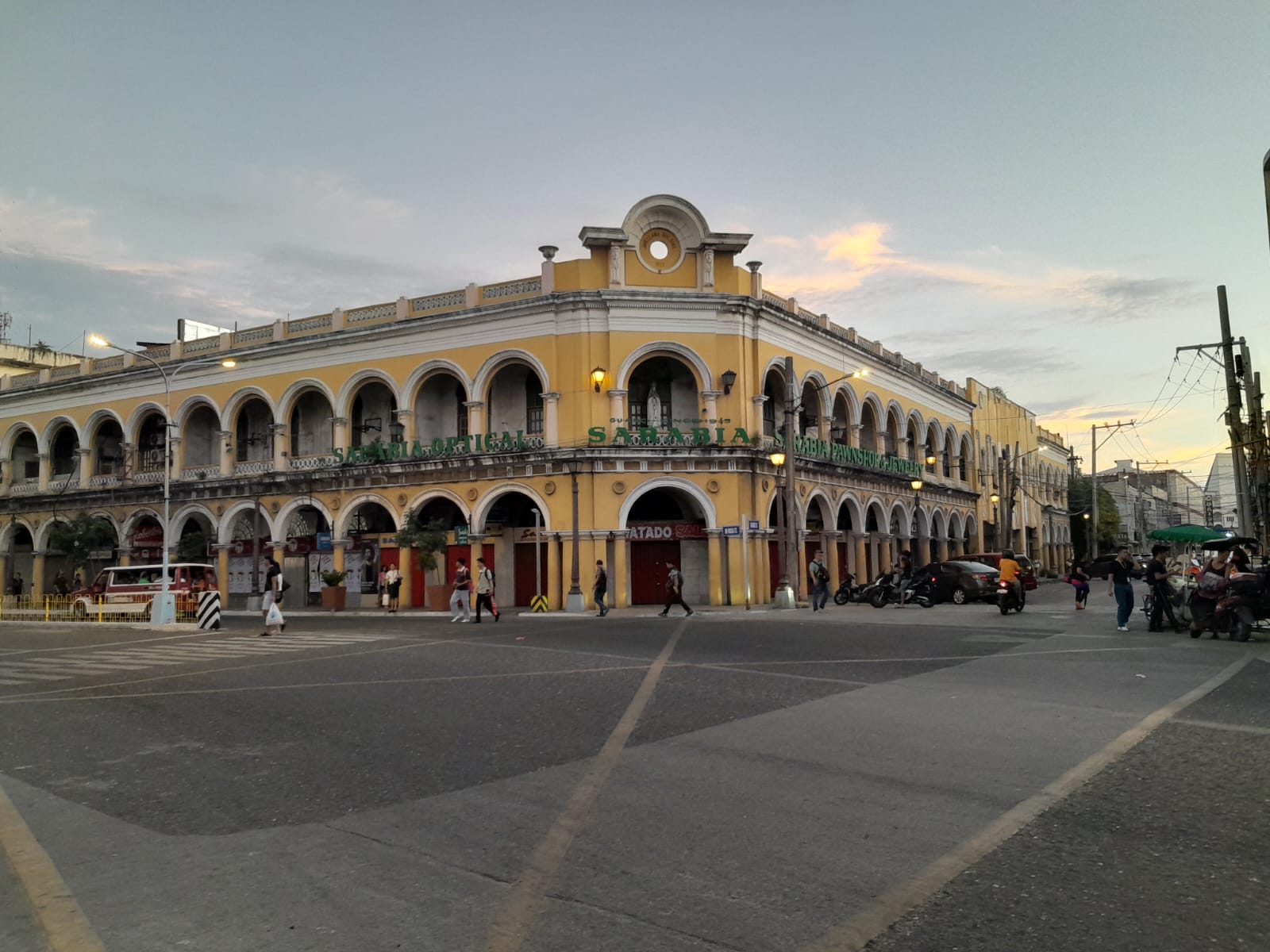
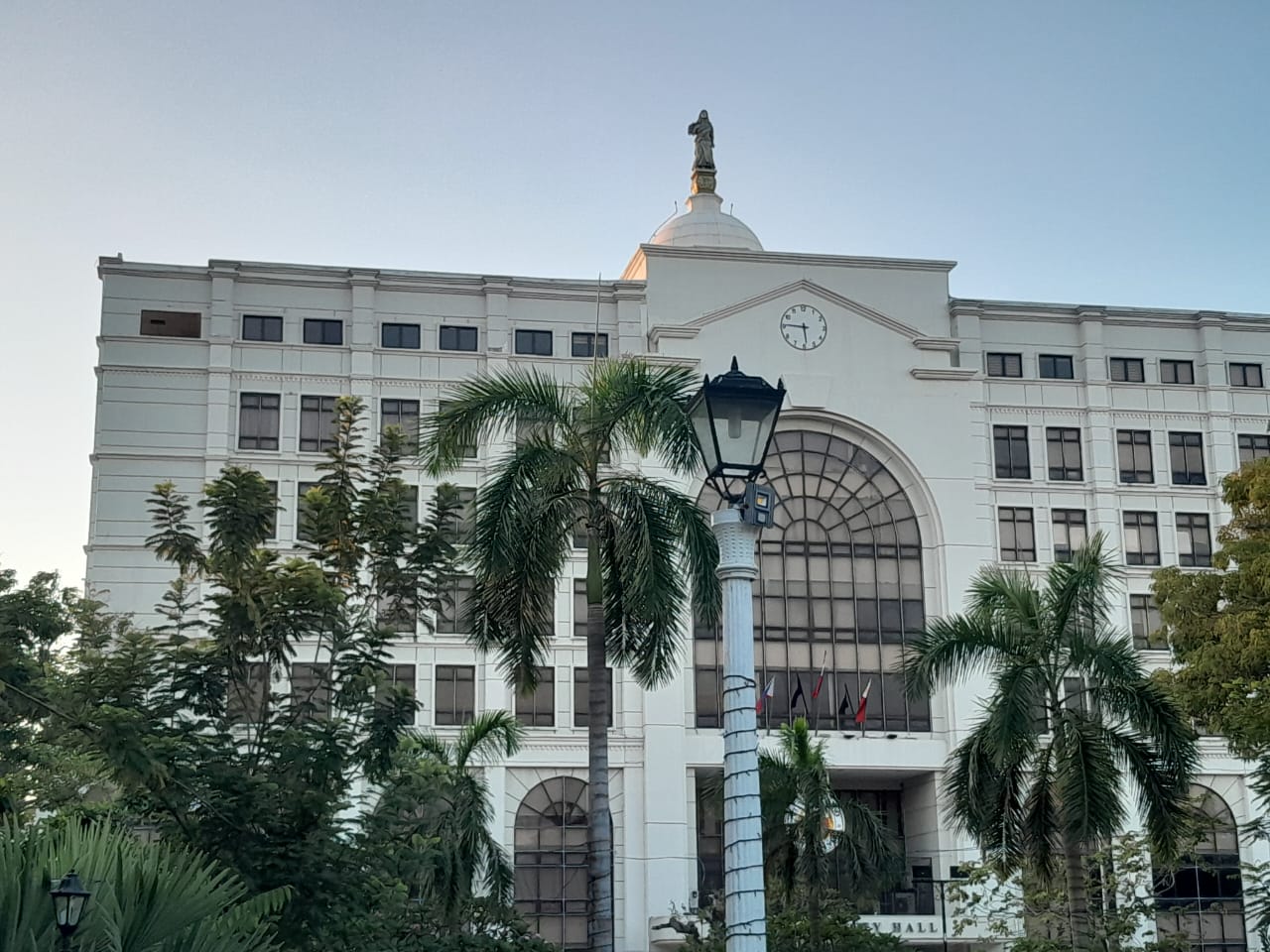
I spent most of my 22 years living in the comfort of Iloilo. Since January, I decided to move out and live in Cebu temporarily for my On-the-Job Training (OJT). It was only this week that I came back for my graduation pictorial. After living in Cebu for two months, I can confidently say that I cherish my birthplace even more.
My first trip to Cebu was during my Educational Tour back in November. I was amazed of the city skyline, both day and night, as me and my classmates toured around, excited, to visit a few companies and tourist hot spots. I was also impressed by how large the city was. It looked modern in a few places, such as IT Park and Ayala. When we came back to Iloilo, I immediately felt how "small" the city was and had long to come back to Cebu.
When I did came back for my OJT, I experienced the same amazement and excitement. One Sunday, I traveled to Colon Street and took note at what was being sold: polos, dresses, pastries, biscuits, and, of course, the ever-present "lechon". It was quite busy at peak noon with lots of locals and a few foreigners looking to buy at nearby stalls and shopping malls. It was fancy to interact with them using Cebuano/Bisaya. Traveling there was one of my most significant experiences in Cebu.
While I have positive sentiments about Cebu, I can't ignore the problems plaguing the city at present. The trash problem's bad: every time I walk to and from the office, there's almost always plastics lying on the sidewalk, the streams, and even parts of the shoreline. Waste management is seldom properly practiced. Sometimes, the streets are congested and very tight, leaving little room for people to walk. It's not safe walking or biking on the edge of the road whilst large SUVs and trucks pass by. Clearly these two problems are difficult and can't be addressed immediately.
Iloilo (city) also has them but since the 2000's, it's been trying to address it. I remember how the Iloilo River was touted as being very polluted until the local government initiated clean up drives alongside improvements to the river bank. That was how we got the Esplanade, now a source of inspiration for infrastructure that supports both tourism and environment conservation efforts. Sidewalks exist in most areas and are paved to aid in walk-ability. Bike lanes are present too.
Most recently, renovations had been done to both Iloilo's public markets and plazas to help increase community participation and quality-of-life. Some of these investments had already paid off. People from all age groups flock at the plazas to play, exercise, or chat about their day. It's both lively and comfortable. I observe these small, daily activities and they fill me with joy even when I'm alone. Personally, it's a great place to reflect on yourself too. I couple it by looking at the Mahoganies or other nearby trees that strike me.
I wish Cebu gets the same investment soon. I sometimes pity for people not having near access to recreational places.